The GAPS diet is one of the most searched-for gut healing protocols, and one of the most misunderstood. I trained with Dr Natasha Campbell-McBride in 2012 and have supported hundreds of people through GAPS since. This guide explains what it is, who it may help, what die-off really looks like and when it needs extra care.
What is the GAPS diet?
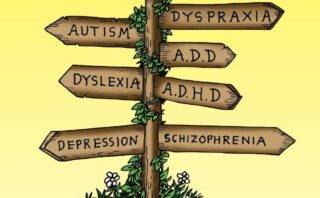
GAPS stands for Gut and Psychology Syndrome. Dr Natasha Campbell-McBride, a doctor with postgraduate training in neurology and nutrition, described it in her 2004 book of the same name [1]. Her starting point was her own son’s autism and her clinical work with children whose behavioural and learning difficulties came with significant gut problems.
The idea behind GAPS is that a damaged gut lining and an imbalanced gut microbiome allow toxins and poorly digested food to reach the bloodstream and affect the brain. The protocol aims to calm the gut, rebuild the gut lining and restore a healthier balance of gut bacteria.
GAPS grew out of the Specific Carbohydrate Diet (SCD), developed by Dr Sidney Haas in the mid-twentieth century for coeliac disease and other digestive disorders.
Gut and Physiology Syndrome
In 2020 Dr Campbell-McBride published a second book, Gut and Physiology Syndrome [2]. It applies the same approach to physical conditions such as allergies, autoimmune illness, arthritis, digestive disorders, fatigue and hormonal problems. Both books share the GAPS name and the same core protocol.
What you eat on GAPS
The GAPS diet removes the foods that are hardest to digest and most likely to feed an imbalanced gut, and builds meals around foods that are gentle and nourishing.
The main foods are:
- homemade meat and fish stocks
- well-cooked meat, fish and eggs
- cooked non-starchy vegetables
- natural fats such as butter, ghee and animal fats
- fermented foods such as sauerkraut, kefir and homemade yoghurt
- some fruit, nuts and honey once the gut has settled
The diet removes grains, sugar, starchy vegetables, processed foods and, at first, most dairy except well-fermented dairy. You’ll find the full list in What can I eat on the Full GAPS diet?
GAPS also includes targeted supplements and changes to reduce your exposure to toxins, alongside the diet.
The GAPS Intro diet and the Full GAPS diet
GAPS comes in two main forms.
The Intro diet is an intensive starting phase made up of six stages. It begins with stocks, soups and small amounts of fermented foods, then adds foods back stage by stage as digestion allows. It’s designed for people with significant gut symptoms such as diarrhoea, pain or severe bloating.
The Full GAPS diet is broader and is followed for longer. It’s where most people spend most of their time on the protocol.
Despite its name, the Intro diet isn’t always the right place to start. For many people, especially children and anyone who is a selective eater, going straight into Full GAPS is gentler and easier to stick with. I explain how to decide in Are you ready for the GAPS Intro diet?
Die-off: what’s normal and when to slow down
“Die-off” is the term used for the temporary symptoms some people get when they start GAPS. It’s thought to reflect changes in the gut microbiome as the diet removes the foods that feed less helpful microbes, along with the body adjusting to a very different way of eating.
In my experience die-off can include:
- tiredness or feeling flu-like
- irritability, low mood or poor sleep
- headaches
- a temporary flare in skin or gut symptoms
- in children, a short-term increase in challenging behaviour
These reactions haven’t been formally studied, so I describe them from clinical experience. They usually ease within days. If they’re strong, it’s a sign to slow down: go back a stage, reduce fermented foods and introduce new foods more gradually.
Some symptoms aren’t die-off and need attention straight away. Weight loss, signs of dehydration, a child who stops eating or symptoms that keep getting worse all mean the diet needs adjusting, and you should seek advice. My post on the 5 biggest GAPS diet mistakes covers the most common reasons GAPS goes wrong.
Does GAPS work? What the evidence shows
No clinical trials have tested the GAPS diet itself, and most of what we know comes from clinical experience and families’ reports.
The closest research is on the Specific Carbohydrate Diet that GAPS is built on. In children with Crohn’s disease, small studies have found improvements in both symptoms and gut inflammation on SCD [3]. A small randomised trial found that the stricter versions of the diet gave better reductions in inflammation [4]. These studies were in Crohn’s disease, not autism or mental health, but they do show that this style of eating can calm an inflamed gut.
We also know that gut symptoms are common in autism and many neurodevelopmental and mental health conditions, and that the gut affects the brain in several ways. I cover some of those links in Gut health and anxiety.
In my clinic, I’ve seen GAPS make a real difference for many children and adults, particularly where gut symptoms are a big part of the picture. It isn’t a cure for autism or any other condition, and it works best as part of a personalised plan.
GAPS, autism and anxiety
Many families come to GAPS because of autism. In my experience the children most likely to benefit are those with clear gut symptoms such as constipation, loose stools, bloating or tummy pain, alongside behaviour that changes with their gut.
GAPS is also used for anxiety, low mood and OCD-type symptoms, again usually where gut symptoms are part of the picture.
When GAPS needs extra care
GAPS is a significant change. For some people it needs close support or a modified approach:
- Children, who need enough energy and variety to grow
- Selective eaters, including children with ARFID, for whom removing foods can shrink an already small diet
- Anyone with a history of disordered eating, where a restrictive protocol can reinforce restriction
- People who are underweight or losing weight
- Pregnancy and breastfeeding
- Anyone with a medical condition or on regular medication
I specialise in neurodivergence and disordered eating, and in these cases I rarely use GAPS in its strict form. A modified approach, introduced gradually, usually gives the gut benefits without the risks.
How I use GAPS in clinic
I don’t start everyone on GAPS. Testing often helps me decide whether it’s the right approach and how strict it needs to be. The GI360 stool test shows gut bacteria balance, inflammation and digestion. The Organic Acid Test (OAT) shows yeast and bacterial markers that can affect behaviour and mood.
From there I tailor the protocol: where to start, how fast to move through the stages, which supplements to use and when to begin reintroducing foods.
Your next step
If you’re thinking about GAPS for yourself or your child, start with the free Gut-Brain-Body Assessment or the assessment for children. You can also book a consultation in person in Kings Heath, Birmingham or online.
For an introduction, read What is Gut and Psychology Syndrome?
References
- Campbell-McBride N. Gut and Psychology Syndrome. Medinform Publishing; 2004.
- Campbell-McBride N. Gut and Physiology Syndrome: Natural Treatment for Allergies, Autoimmune Illness, Arthritis, Gut Problems, Fatigue, Hormonal Problems, Neurological Disease and More. Medinform Publishing; 2020.
- Cohen SA et al. Clinical and mucosal improvement with specific carbohydrate diet in pediatric Crohn disease. J Pediatr Gastroenterol Nutr. 2014;59(4):516-21.
- Suskind DL et al. The specific carbohydrate diet and diet modification as induction therapy for pediatric Crohn’s disease: a randomized diet controlled trial. Nutrients. 2020.