
When trying to understand what is causing or specific symptoms or health issues standard bloodwork is a reasonable starting point, but it rarely gives the answers we’re looking for on it’s own. Moreover, when working with neurodivergent children, blood draws are often completely off the table.
Blood tests can’t help us answer questions like why does my child struggle with focus and mood swings that don’t fit a tidy label? Why am I exhausted no matter how much I sleep? Why does my digestion feel like it’s working against me?
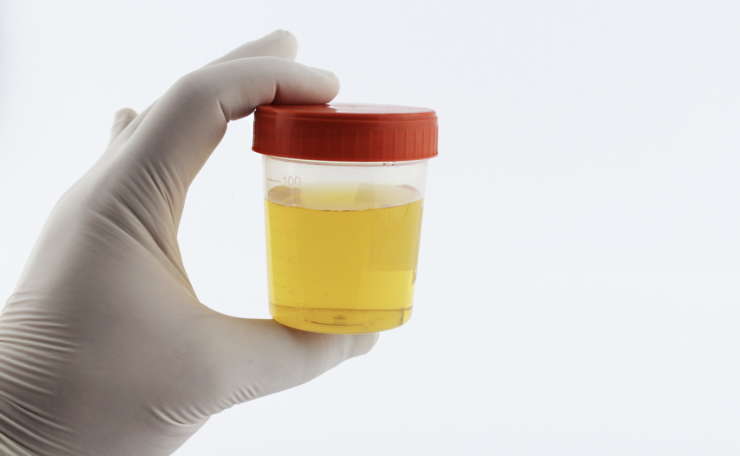
The Organic Acid Test (OAT) is one of the few tools I use that regularly closes that gap. It’s a single urine sample that measures dozens of metabolic byproducts and because those byproducts come from three different sources (your own cells, your gut bacteria and any yeast or fungal overgrowth), it gives a picture that blood chemistry can’t.
Here’s why I reach for it so often and what a handful of its markers can tell us.
Some of the gut bacteria can have strong consequences for cognition and mental health. The OAT helps us see if these specific bacteria are present and whether they are interfering with neurotransmitter conversion and production.
Take HPHPA, a marker produced by certain Clostridia species. Elevated HPHPA has been linked to disruption in dopamine metabolism and in clinic I see it turn up disproportionately often in children with attention and behavioural presentations. I also see it in the test results of adults with brain fog or mood volatility that hasn’t responded to the usual approaches. This is a marker that can redirect a clinical plan, from more general advice toward targeted antimicrobial and rebalancing work.
Then there are the yeast and fungal markers, such as arabinose, tartaric acid and citramalic acid. Chronically bloated clients, or those with a history of antibiotic use and sugar cravings will often show elevations here well before any digestive symptom becomes severe enough to flag on a standard workup. When yeast markers are raised, this can have an impact on cognition, behaviour and food choices.
Raised yeast markers can often be seen in alongside raised oxalate markers. Oxalates rarely come up in mainstream nutrition conversations, yet they’re one of the more overlooked drivers of chronic pain, gut irritation, and even mood and behavioural symptoms in sensitive individuals. The OAT measures oxalic acid alongside glyceric and glycolic acid, giving a much clearer picture of whether someone is over-absorbing oxalates from food, under-processing them due to poor gut flora, or producing them internally through impaired vitamin B6 or fat metabolism.
If oxalates are raised, the nutritional approach is completely different and this is why the Mosaic Lab test that we use can give such helpful information as at the time of writing it is the only Organic Acid Test that includes these oxalate markers. The three markers help us differentiate between dietary oxalate and someone whose own biochemistry is generating excess oxalate internally. Without this marker, you’re guessing, which can make understanding your symptoms and your body’s reactions difficult.
The Krebs cycle markers (citrate, cis-aconitate, alpha-ketoglutarate, succinate, fumarate, malate) sound intimidating, but in practice these markers tell us whether the body is producing cellular energy efficiently and where in the cycle things are bottlenecking.
This is where the underlying cause of fatigue and tiredness can become more targeted, correcting the biochemical pathway helps the mitochondria to keep up. A block at a particular stage in the cycle often points directly to a specific B vitamin or mineral cofactor deficiency, which means the intervention can be precise.
Markers like homovanillate (HVA) and vanilmandelate (VMA) reflect dopamine and adrenaline breakdown, while 5-HIAA reflects serotonin metabolism. These are enormously helpful for understanding whether low mood, anxiety or cognitive issues including lack of focus, have a metabolic component that nutrition and targeted nutrients can influence.
This is particularly valuable with neurodivergent children and families, where behaviour can be linked to the levels of these metabolites and poor conversion, linked to gut bacteria, can be both identified and understood. This is the type of gut-brain biochemistry this test is built to expose.
The real value of the OAT is that I can see, in black and white, whether a client’s fatigue or cognitive issues are a B12 issue, a Krebs cycle bottleneck, or a yeast overgrowth quietly draining their resources. Instead of assuming a child’s focus issues are purely behavioural, I can see if Clostridia metabolites are part of the picture.
For a test that requires nothing more invasive than a urine sample collected at home, that’s a good amount of clinical clarity.
If you’ve had normal bloods but still don’t feel right, or you’re supporting a child whose symptoms don’t fit neatly into one box, the OAT is often the test that helps explain why.
Products by Category
-
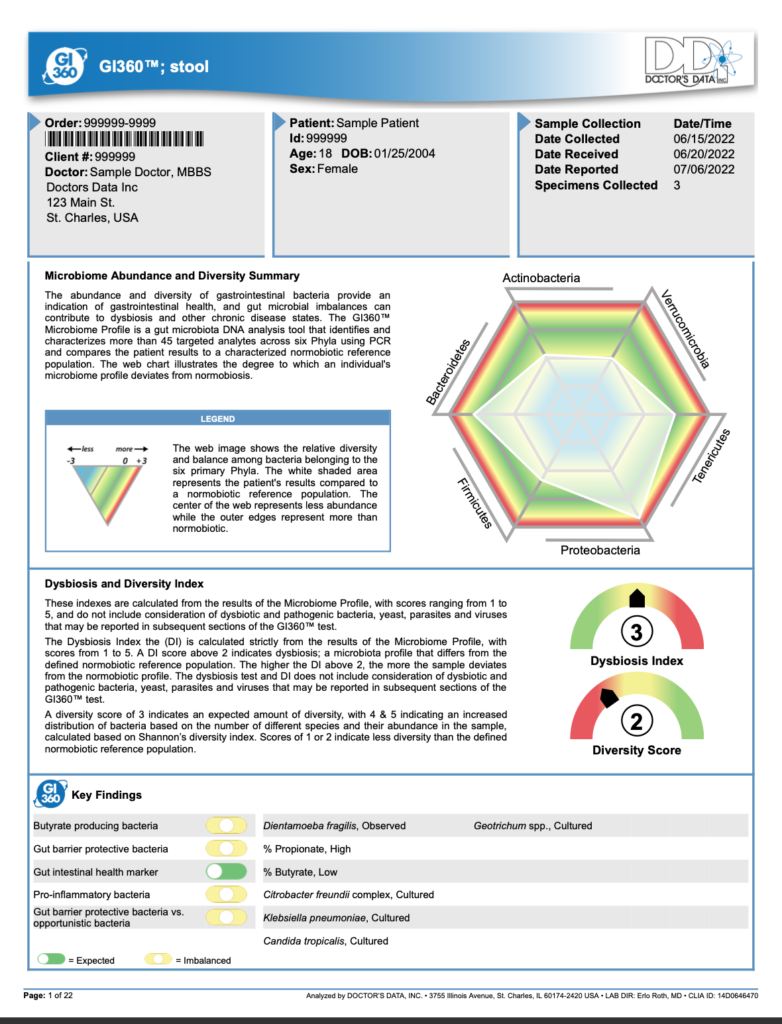
GI360 Complete Stool Test
£0.00 -

Gluten and Casein Urinary Peptides Test
£105.00 -
Organic Acid Test (OAT)
£0.00 -

SIBO Test
£173.00


